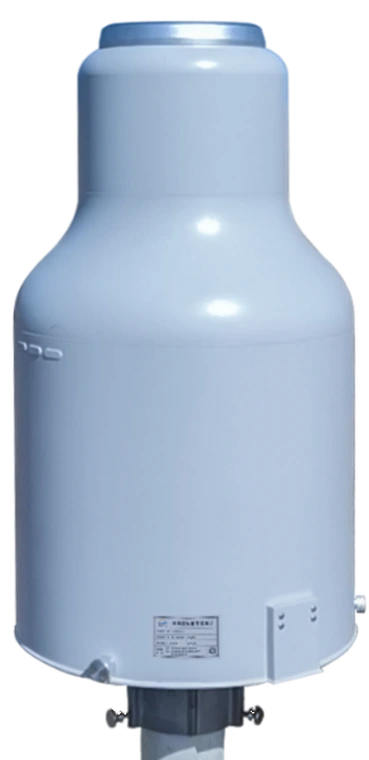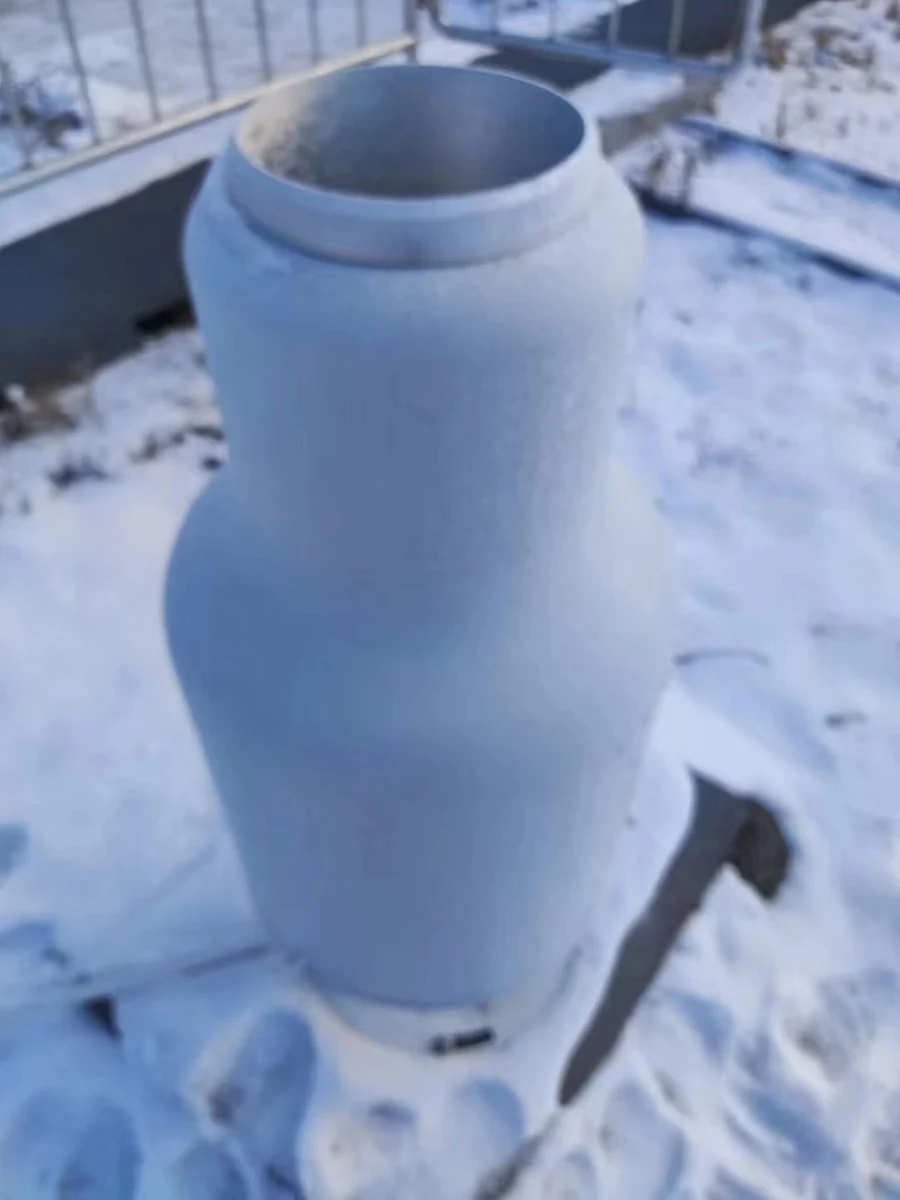
Catch opening
Upper profile and mouth geometry help confirm siting, access, and service clearance.
1500H weighing precipitation gauge
A load-cell gauge for monitoring networks that need rain, snow, hail, and mixed events — configured into a complete station around power, mounting, shielding, and data integration.

Weighing technology
The 1500H weighs accumulation with a load cell, keeping the sensing path consistent across rain, snow, hail, and mixed precipitation.
Mechanical tips can undercount high-intensity events and struggle when precipitation freezes or changes form.
Mass-based sensing measures accumulation directly, with no tip event to miss.
Product details
Review body geometry, catch opening, wind shield hardware, and assembly handling before choosing the package.
Upper profile and mouth geometry help confirm siting, access, and service clearance.
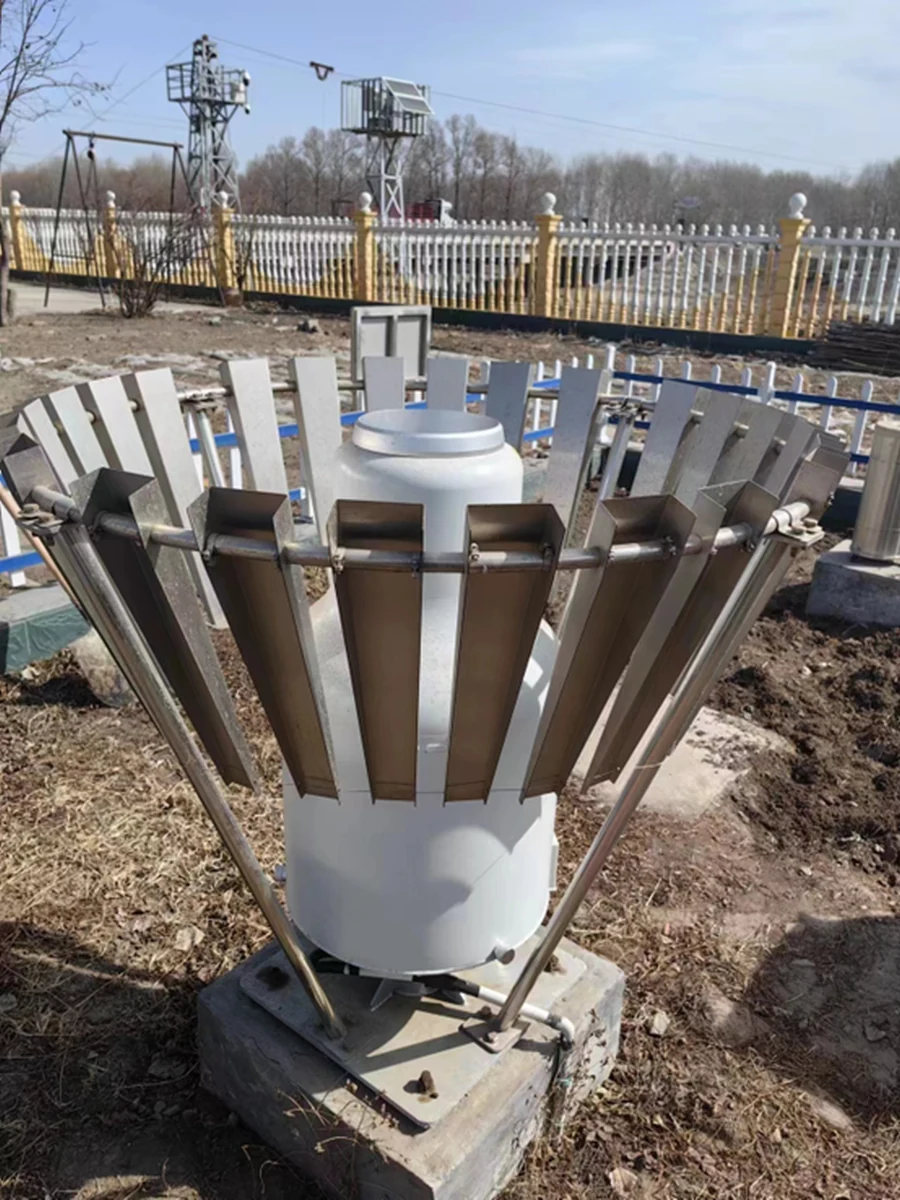
Installed shield hardware shows how the gauge sits inside a field mounting layout.
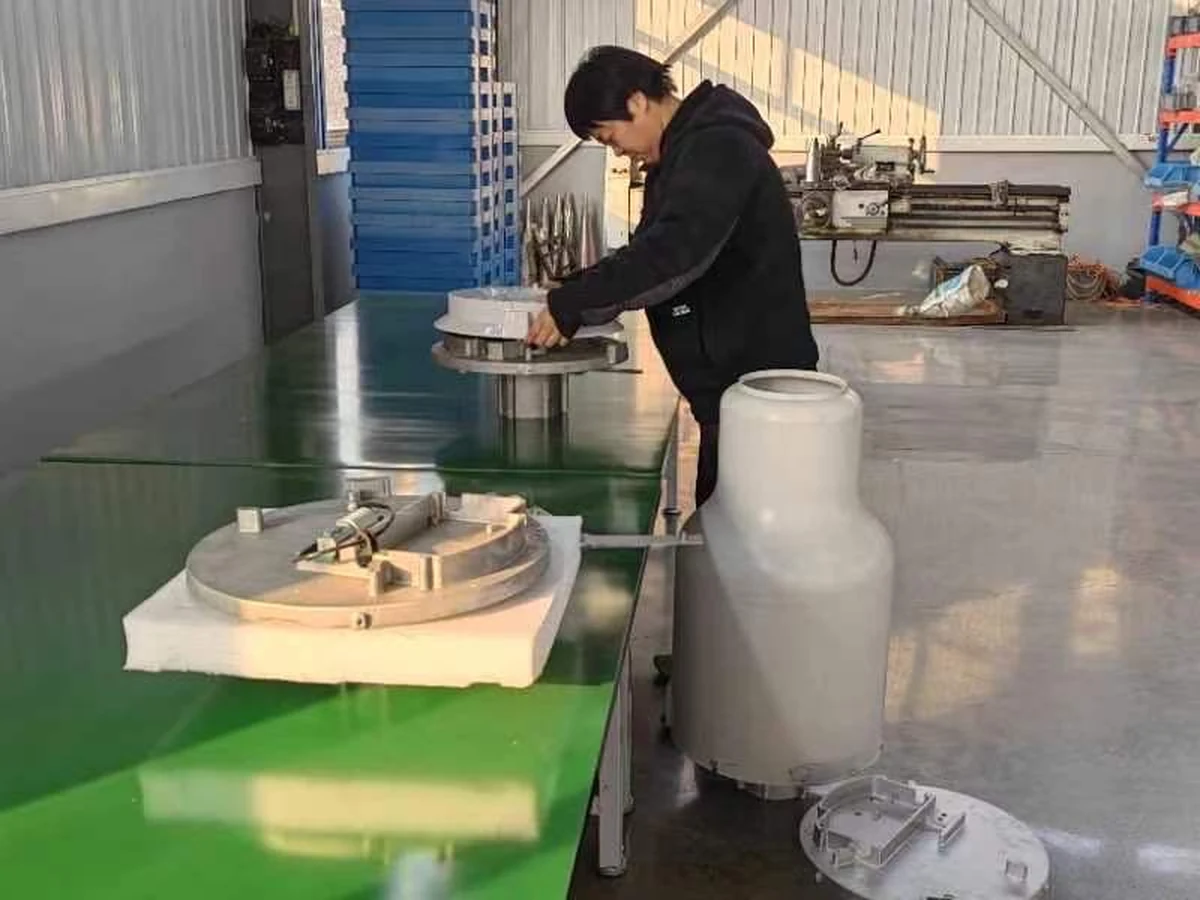
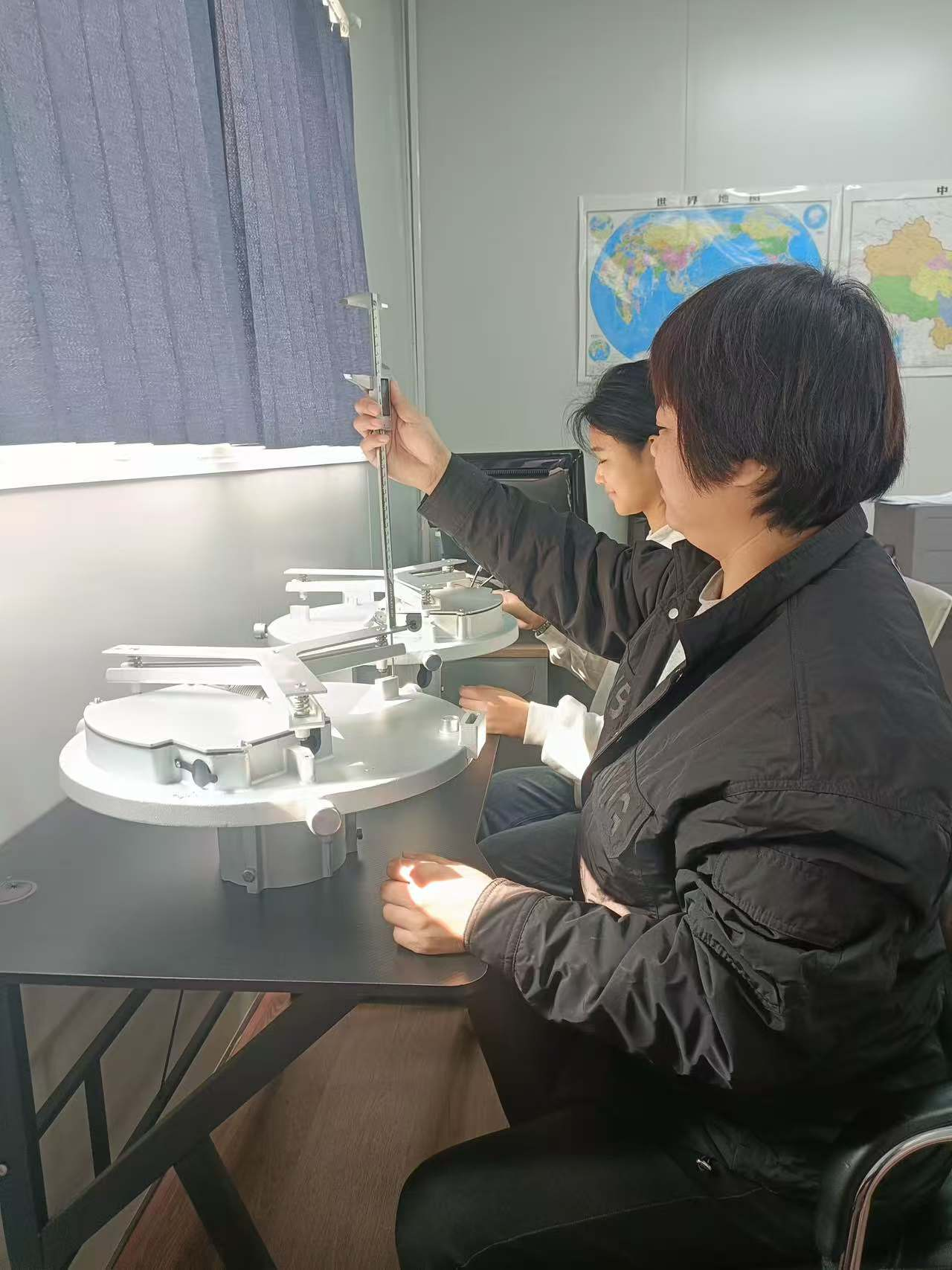
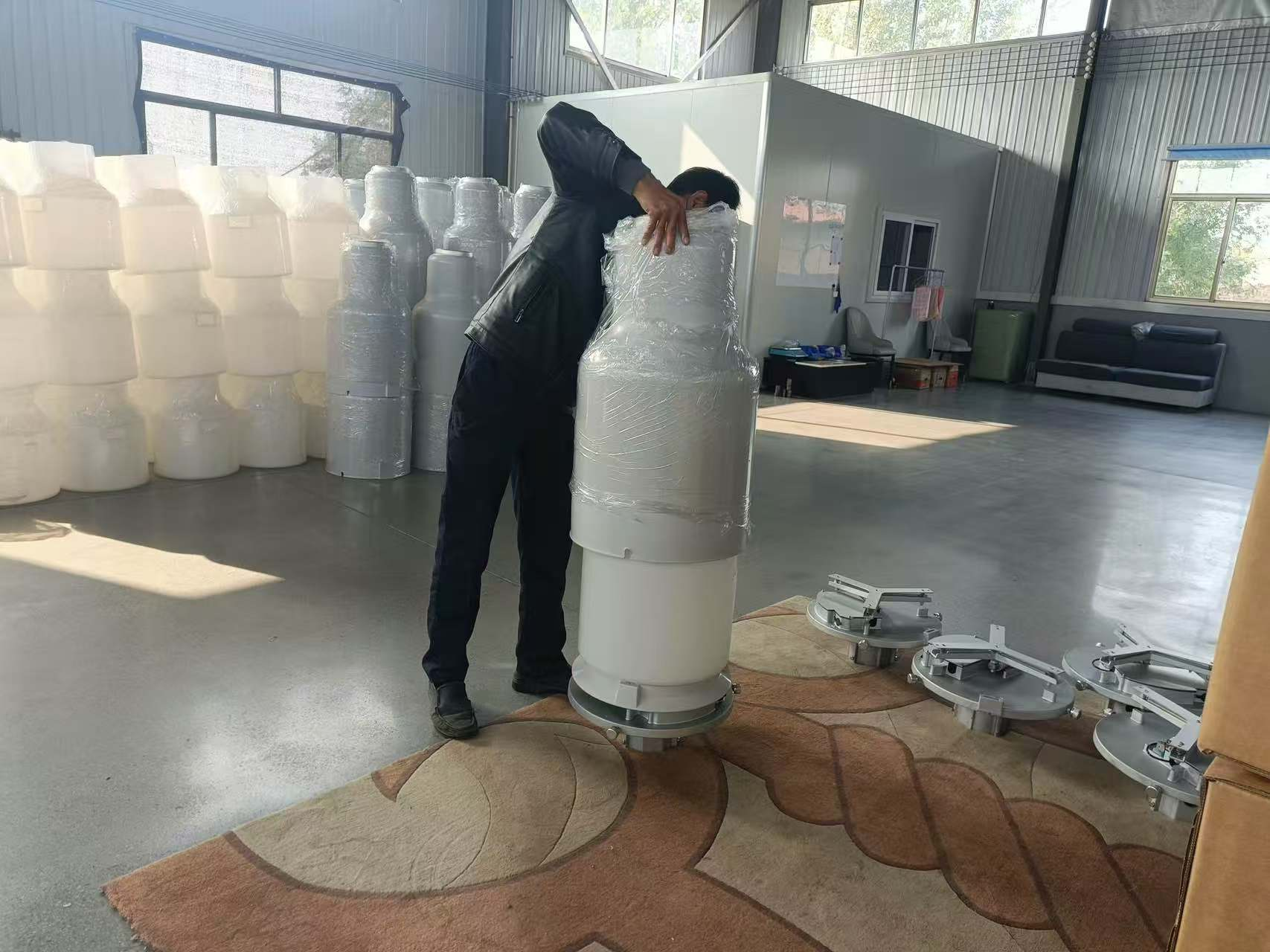
Bench view helps review the base, handling points, and accessory interface before shipment.
Applications
Pair the sensor with mounting hardware, wind shielding, winter support, power, logger, telemetry, and a service plan for each site.
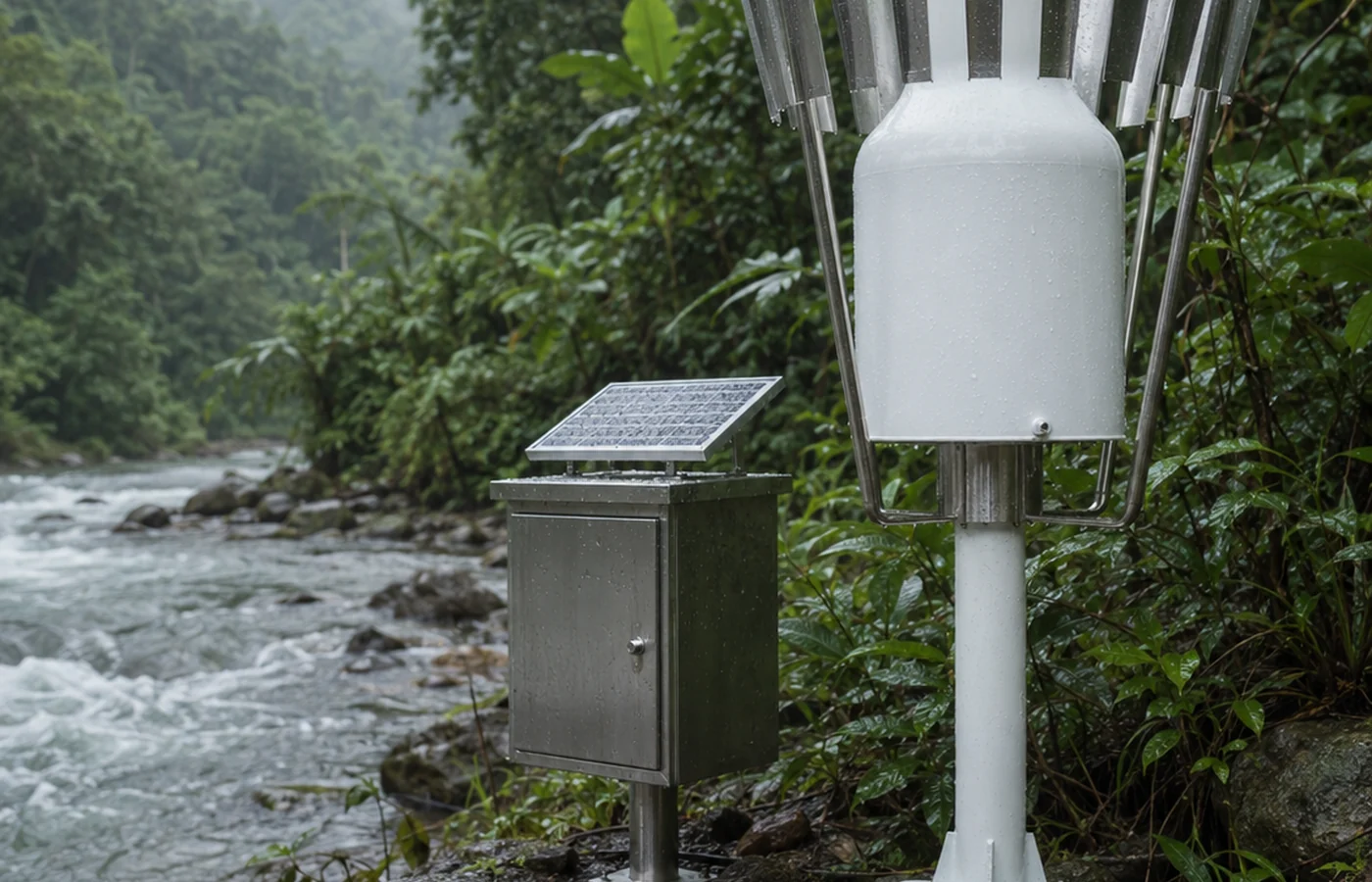
Use the 1500H where streamflow, snowpack, and rainfall records depend on consistent precipitation inputs.
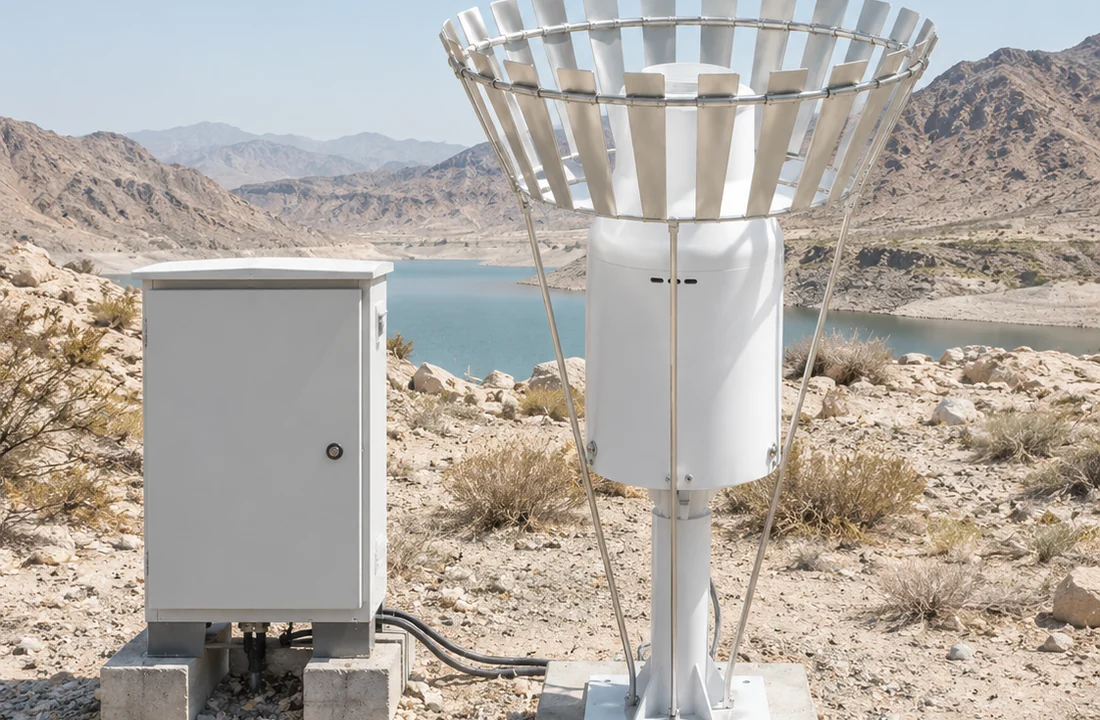
Plan power, enclosure, cable routing, and maintenance access before the station goes into the field.
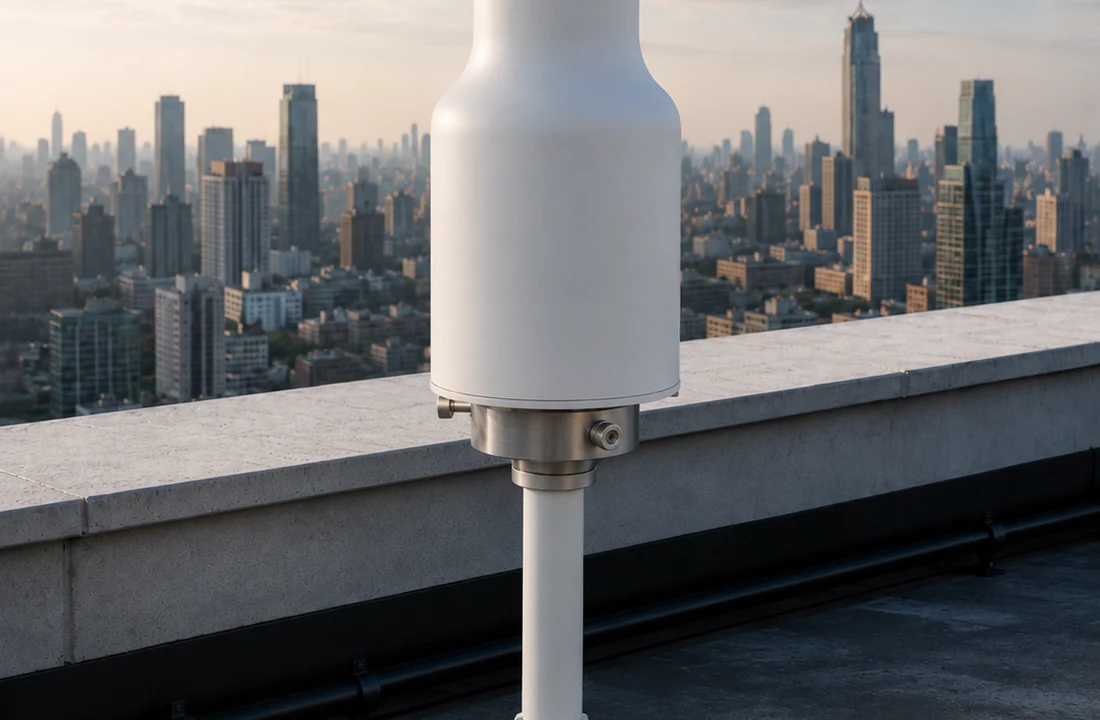
Use compact station layouts where rooftops, utilities, and access rules shape the installation.
Specifications
Review the figures engineering and procurement teams usually need first.
Integration
We confirm the logger interface, power, mounting, winter package, and installation responsibility before shipment.
Resources
Start with the datasheet. Add installation notes, interface tables, and warranty material as the project scope becomes clear.
Measurement range, outputs, operating conditions, and physical interface summary.
RFQSend site conditions, logger requirements, quantity, and timeline before quotation.
Field siting, mounting, wiring, and maintenance notes for evaluation projects.
Company
HongYuRain is the export-facing line of Beijing Hongyu Xinrun Technology Co., Ltd. — a precipitation-instrument manufacturer with in-house production and engineering. We build and stand behind the hardware; local partners handle installation, integration, and service in each market.
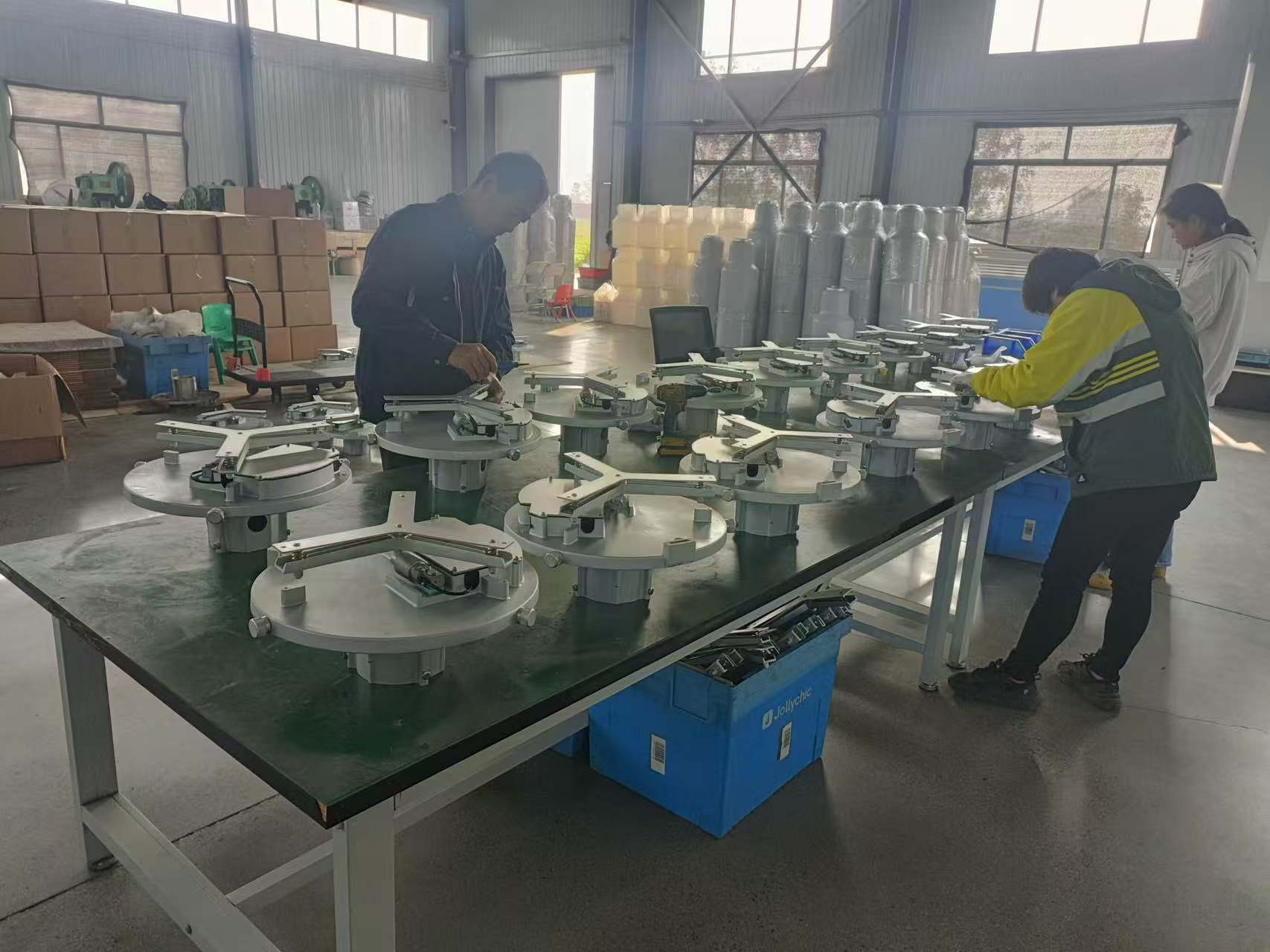
How we work
For new international partners, the right first step is an evaluation unit or small pilot. Confirm interface, installation, and winter requirements before a wider rollout.